

Co-creating
Regenerative
Cultures
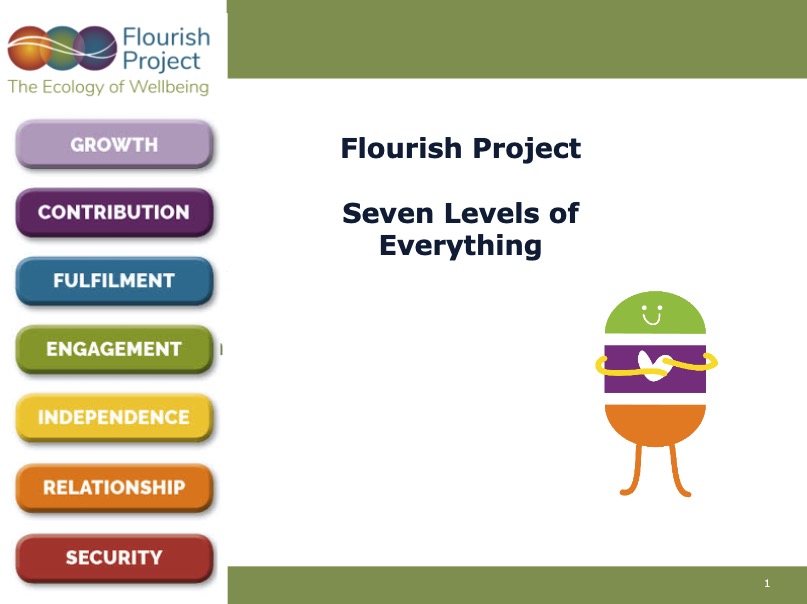
The initial Flourish Project concept was developed in 2018 by the Futurist Wendy Ellyatt. This was in response to increasing global interest in how to support and optimise wellbeing, along with the understanding that all human systems are nested within and depend upon, an ecology of other living systems.
Our Team
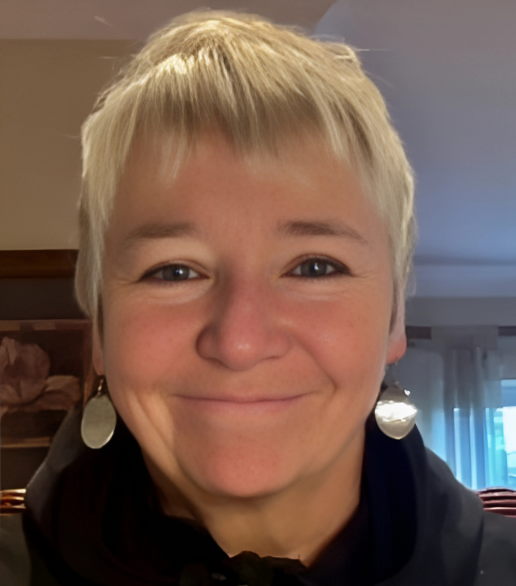
Wendy Ellyatt
The founder of the Flourish Project, Wendy is a futurist working across mutiple sectors who has always been fascinated with what creates lives of meaning and purpose. She has now combined her expertise in human development with her interest in natural systems design, to help develop a range of tools that promote and support the creation of regenerative societies and cultures of lifelong learning. This includes the development of a number of focused action labs that are currently taking shape under the Innovation Lab aspect of the project.
You can read more about Wendy on www.wendyellyatt.com
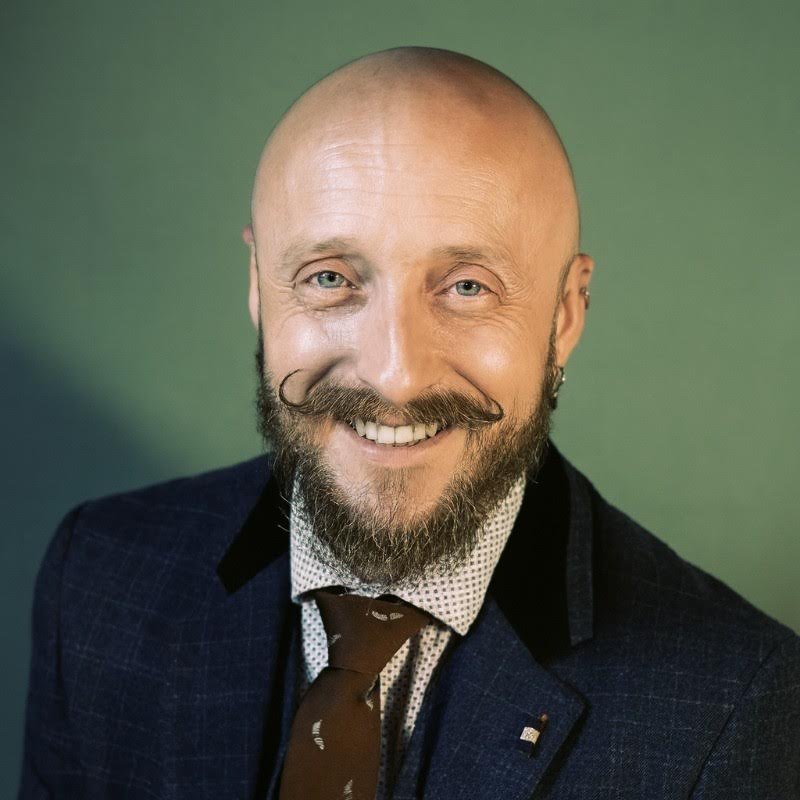
Simon Lightman
Simon Lightman is an educational leader, researcher and systems thinker working across sustainability, educational futures and the philosophy of education. His work explores how schools cultivate the ethical, ecological and epistemic capabilities young people need to navigate an increasingly complex and interconnected world. Simon founded the City of London Youth Natural Environment Board, serves as Co-Chair of SEEd, and contributes to national and international efforts to advance regenerative, whole-school approaches to flourishing. His writing and public scholarship explore identity, contextualised becoming and the deeper structures shaping educational change.
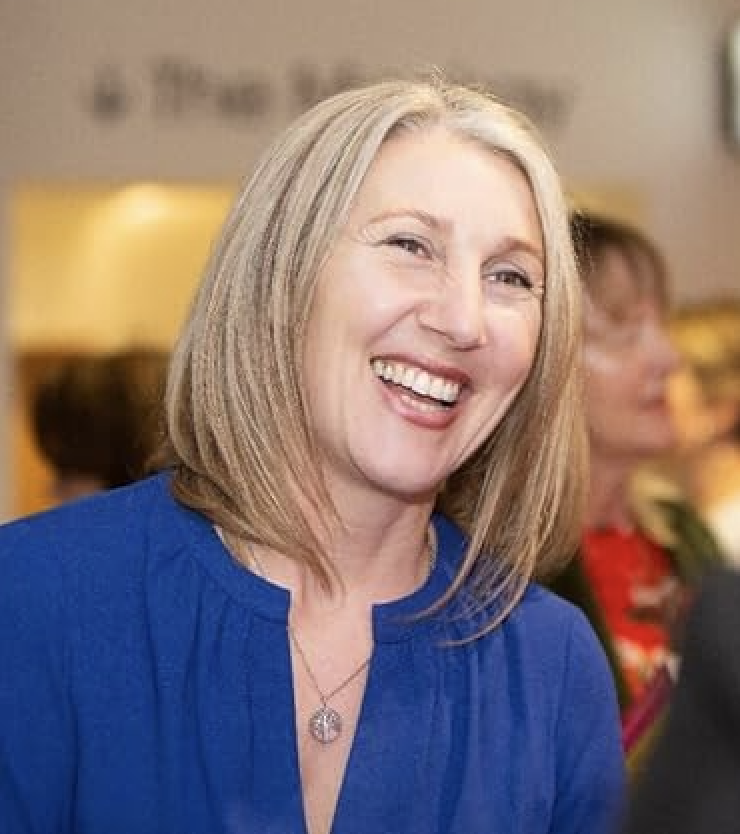
Fabienne Vailes
Fabienne is an author, podcaster, researcher, former language teacher as well as mother to two teenagers. Currently based at the University of Bristol’s School of Education, she is undertaking a fully funded doctoral study looking at the lack of flourishing in Secondary Schools and how creating safe spaces may help. In 2024 joined the Flourish Project as a Research Affiliate with a particular interest in the promotion of flourishing within schools.

Harriet Broadfoot
Dr Harriet is an early childhood education (ECE) researcher and teacher. Currently based at Durham University’s School of Education, she is a postgraduate associate of the Wolfson Research Institute for Health and Well-being. In 2022 she became a director of the Save Childhood Movement (SCM) and acted as a Project Director for National Children’s Day UK (NCDUK). In 2023 she joined the Flourish Project as a Research Affiliate with a particular interest in early human development.

Marina Demchenko
Dr Marina Demchenko is a Social Ecosystems Evolution researcher and Integral Development practitioner, a futurist and visionary focused on the development of humanity. A TED speaker and author of several peer reviewed papers, she is currently a co-founder of Living Cities Earth – a global horizontally organised action community of 100+ of the world’s leading researchers and practitioners in the field of integral urban development - and co-founder and lead researcher of the Living Cities Action Research Ecosystem (LCARE).
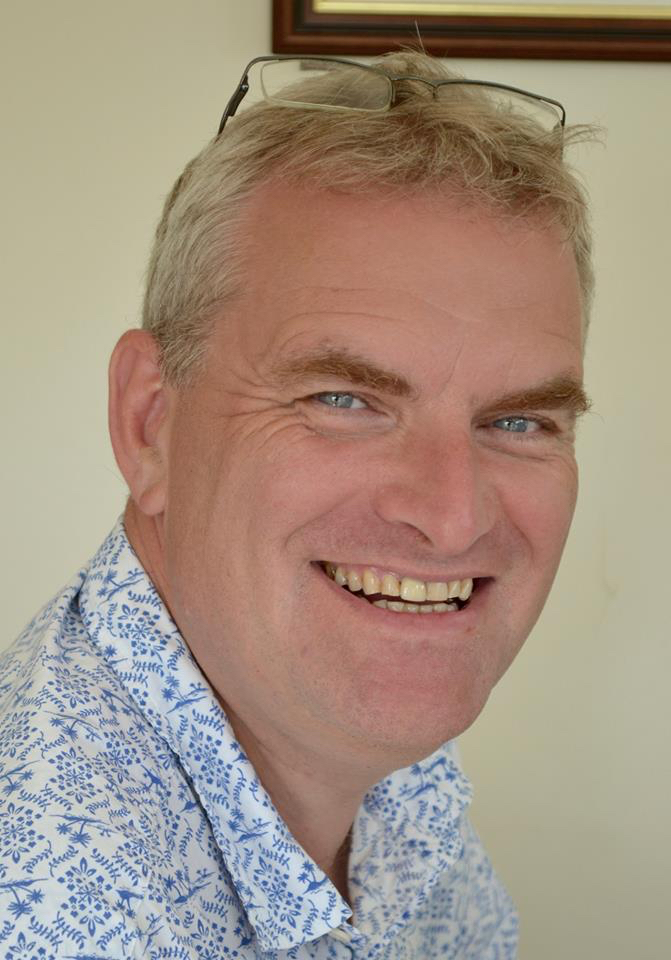
Simon Daisley
An expert in strategy development, training design and business coaching, Simon ran his own consulting business for a number of years, through which he created the concept of Wholehearted Customer Management (WCM). He also worked extensively in local government, where he helped to design, develop, implement and support the very best customer experiences, involving strategy development, training design and delivery, coaching and mentoring. Simon was an early supporter of the project and is bringing his experience of working with a leading UK care home group to explore how the Flourish framework could optimise the wellbeing of residents and staff within care settings.
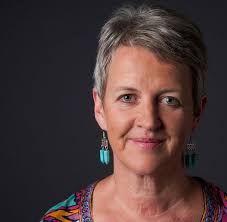
Annie Harvey
Annie Harvey is a motivational keynote speaker, educator, and author known for her expertise in neuroscience, brain health, and emotional wellbeing. She is the author of “The Still Effect,” a book that provides practical tools to help individuals manage stress, avoid burnout, and enhance emotional resilience. Annie is also a mindfulness trainer and laughter wellness expert and is the creator of The Giggle Game, an intergenerational program for co-regulation. In 2024 she joined the Flourish Project as a research affiliate to further this area of her work.

Join our newsletter to stay up to date on features and releases
By subscribing you agree to our Privacy Policy